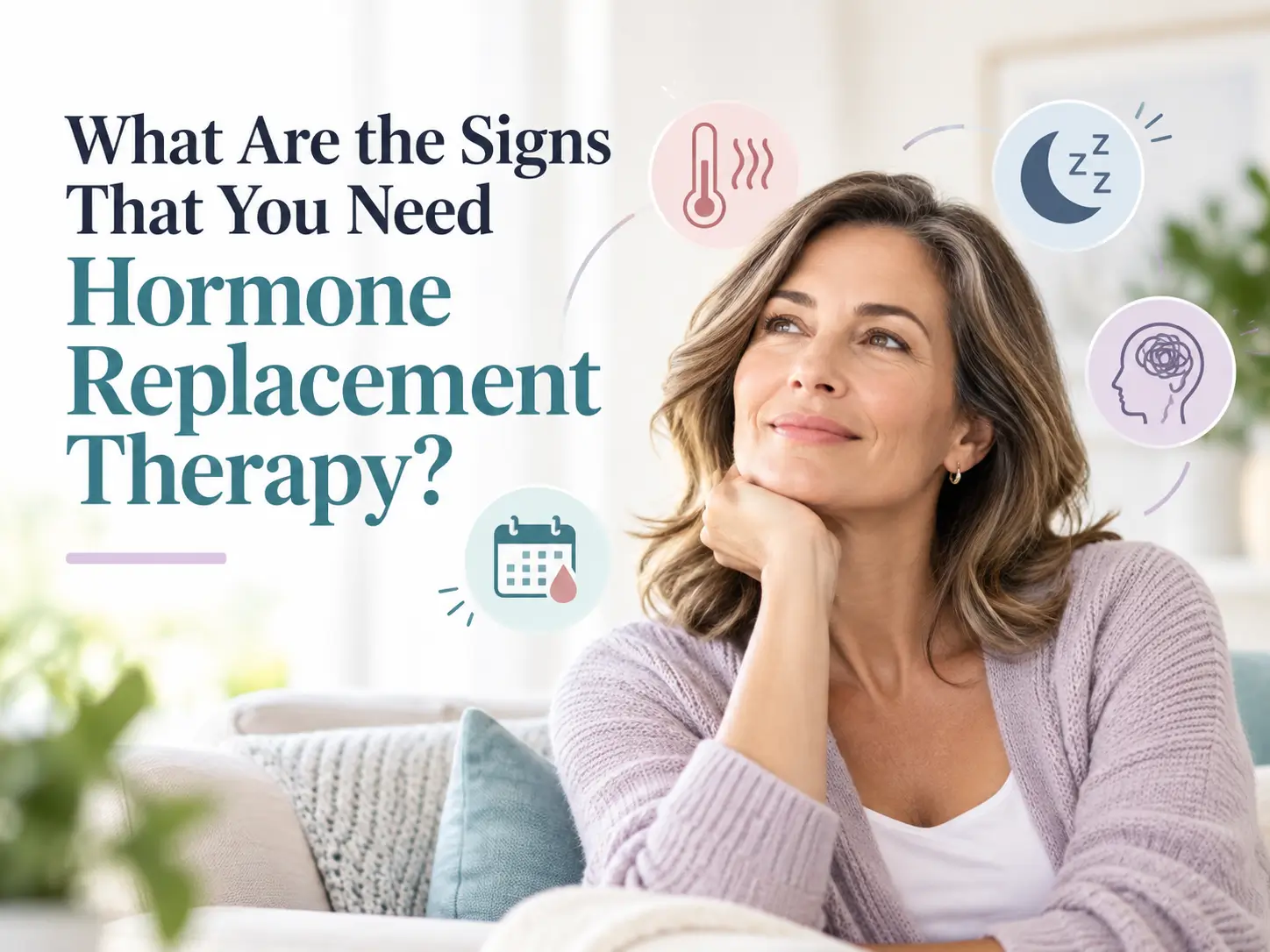
Symptoms from hormonal changes during perimenopause affect almost every aspect of your life and can vary from mild to severe. These symptoms often affect sleep and mood and can affect your relationships, work, and general comfort. Sometimes, the only way to alleviate these symptoms is with the use of hormone replacement therapy (HRT). However, sometimes symptoms can feel similar to other health conditions. Therefore, the goal is not to replace hormones. If you have symptoms that are concerning you, and you’re wondering when to get hormone replacement therapy, you should consult your healthcare professional to evaluate your symptoms, health, and personal risk factors to help make an appropriate plan.
1. Persistent Hot Flashes and Night Sweats
Many people turn to hormone therapy to alleviate hot flashes because they can cause an uncomfortable feeling of sudden warmth and/or sweating, a disruption to everyday activities due to unpredictability and mood swings. Nighttime hot flashes can lead to night sweats and disrupt sleep, leaving you tired for the day ahead.
For some women, hot flashes can occur so frequently that they can impact your ability to maintain focus, or social activities. Many factors affect the choice of treatment, like how bad your symptoms are, your age, other health issues you may have, and your overall health and medical history.
2. Sleep Problems and Ongoing Fatigue
Poor sleep can be another sign of changing hormones. Night sweats may make you feel tired and irritable throughout the day. However, fatigue can be caused by many other conditions, like stress and anemia, as well. Therefore, a health assessment can help identify the likely cause of your fatigue. If a number of symptoms appear at the same time, it may be more helpful to the health professional to discuss the Symptoms of hormone imbalance and how they affect your daily life rather than talking about each individual symptom. Focusing on the big picture may help provide a clearer picture rather than looking at one small piece.
3. Mood Changes, Anxiety, or Brain Fog
People may experience changes in mood and mental wellbeing as a result of hormonal changes during perimenopause and menopause. Mood swings, anxiety, low mood, and memory and concentration problems are a few of the symptoms that may be experienced.
The presence of these symptoms doesn’t always mean that hormonal changes are the cause. Anxiety and depressive disorders and thyroid problems can also cause mood and memory problems and concentration losses. Therefore, it is important to perform a thorough evaluation before starting treatment.
HRT improves menopause-related mood symptoms, especially when they occur along with other physical symptoms of menopause.
4. Vaginal Dryness and Urinary Changes
During and after menopause, several symptoms including vaginal dryness, discomfort during intercourse, irritation, and changes in urination can occur. Symptoms of hormone imbalance can negatively impact interpersonal relationships and may be frustrating.
Treatment is based on the type and severity of symptoms. Mild symptoms may be treated with lubricants or moisturizers. Moderate symptoms can be treated with low-dose vaginal estrogen which improves vaginal and urinary symptoms with minimal blood estrogen level elevation.
5. Changes in Your Periods
Changes in menstrual patterns often provide an early sign of perimenopause. Periods may become heavier, lighter, shorter, longer, or less predictable.
However, unusual bleeding can have other causes. Therefore, significant changes deserve medical attention rather than automatic assumptions about menopause.
People with early or premature menopause may need special consideration because lower estrogen levels can affect bone health.
6. Understanding Natural vs. Medical Options
Many people compare natural vs medical hormone therapy when symptoms begin. Lifestyle changes can support overall health and may reduce some symptoms. These include regular physical activity, good sleep habits, balanced nutrition, and limiting personal triggers. However, natural products are not automatically safer. Evidence for many herbal menopause products remains limited, and some can interact with medicines.
Medical hormone therapy uses prescribed hormones to address specific symptoms. Options include tablets, patches, gels, sprays, and vaginal treatments. The treatment selected depends on symptoms, health history, whether the uterus is present, and other factors.
7. When HRT May Not Be Appropriate
Just because you have menopause symptoms does not mean HRT is automatically safe. Some medical conditions can tip the balance between the risks and benefits of HRT. These include certain cancers, blood clot history, liver disease, heart disease, uncontrolled high blood pressure, or vaginal bleeding of unknown cause.
Treatment with HRT should be with active follow up and adjustments made when side effects occur. These effects can include headache, breast tenderness, and nausea. Breakthrough bleeding and spotting can occur, as well. The health care provider can make these adjustments if needed.
8. Getting a Personalized Treatment Decision
There is no single symptom that proves someone needs hormone replacement therapy. Instead, the overall pattern matters. Symptoms, age, menstrual history, health conditions, family history, medications, and personal preferences can all affect the decision.
This is where personalized wellness and therapy services may help people understand their options and discuss concerns with an appropriate healthcare professional. HRT can be highly effective for bothersome menopause symptoms, but the treatment plan should match the person’s needs and risks.
The phrase when to get hormone replacement therapy therefore has no universal answer. Some people seek treatment during perimenopause, while others begin after menopause. There is generally no need to wait until symptoms become severe before discussing options.
Moving Forward With Better Information
Hormone-related symptoms can feel confusing because they often overlap with normal stress, aging, and other health concerns. Still, persistent hot flashes, sleep disruption, mood changes, vaginal symptoms, and period changes deserve attention when they affect daily life. HRT may offer meaningful relief for some people, while others may benefit from non-hormonal approaches. The safest path is a personalized discussion that weighs expected benefits against individual risks. Good care starts with understanding the symptoms, asking questions, and choosing treatment based on reliable medical guidance rather than assumptions.
What is hormone replacement therapy used for?
Can HRT help with hot flashes?
Do you need to wait until periods stop before starting HRT?
Is HRT safe for everyone?
Are natural hormone treatments always safer?
No. Natural products can have limited evidence and may interact with medicines. “Natural” does not automatically mean safe or effective.